Chasing the last 1%- How Habits can Jumpstart success
The touring season as a whole seems to be slowing down for the year. I’ve taken it upon myself to spend some more time learning. This looks like setting some long and short-term goals. I recently picked up James Blake’s book Atomic Habits, in which he lays out a strategic and actional series of tips and systems for developing habits and perhaps breaking some bad ones.
Throughout this book, I have been constantly reminded of the parallels and strategies we used to chase our work’s last 1% perfection. That phrase boils down to keeping every detail noticed, having a reason for our decisions and choices, and pursuing self-development to achieve excellence in our work. After reflecting on this, I’ve written some habits and processes I used to expedite my learning curve as much as possible when I first jumped into touring.
The first thing I did when I realized I wanted to be a systems engineer was find a few mentors and figure out what I didn’t know. This looked like determining what software I needed to know, what math I needed to be familiar with quickly, and what books to read to develop my foundational knowledge base.
Preparing for opportunity
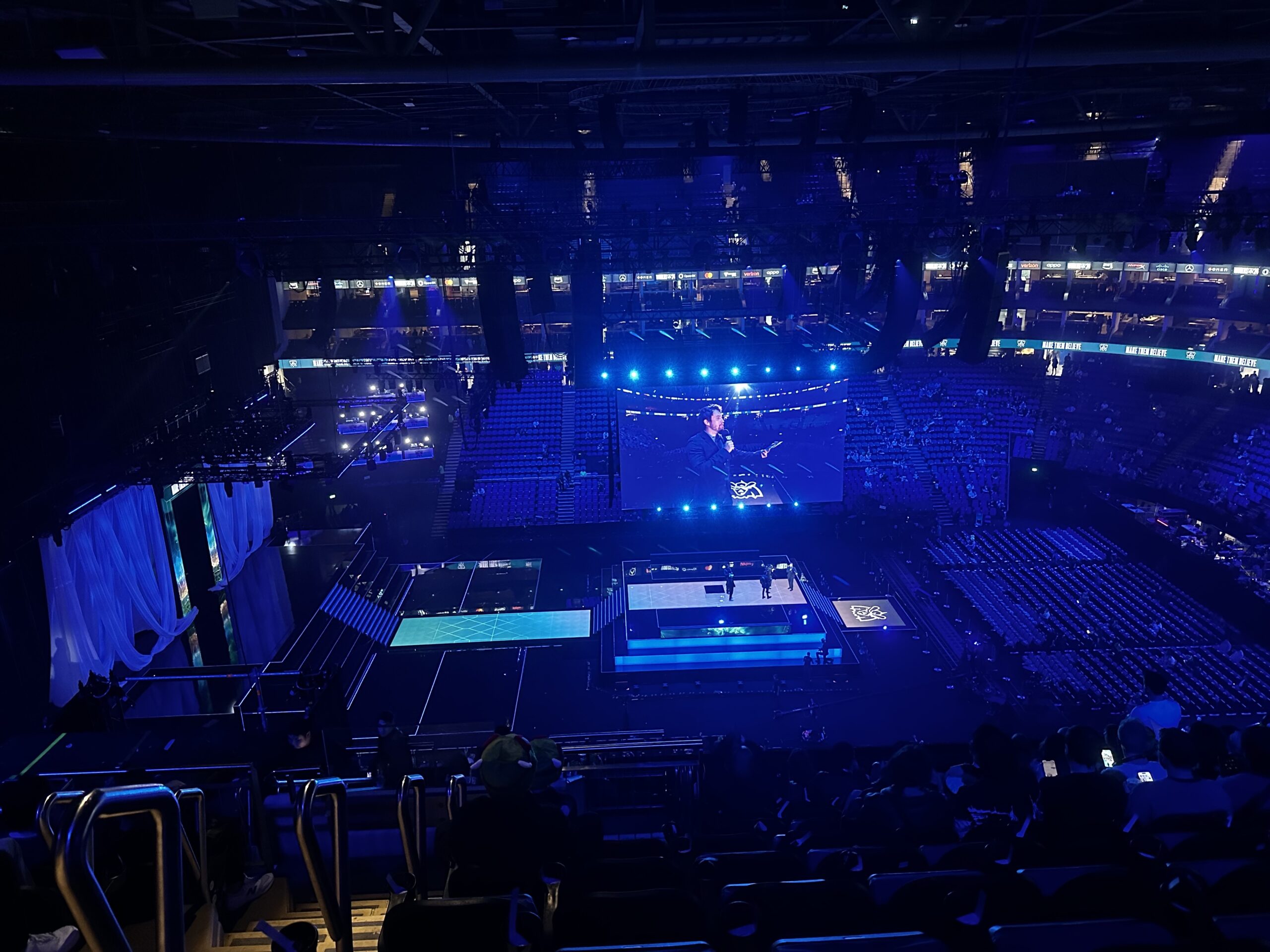
In preparation for my first tour, I needed to learn Rational Acoustics SMAART software, the foundational knowledge pertaining to sound system design, optimization, and measurement theory, alongside the prediction and control software for the PA system we were touring (which happened to be Meyer’s MAPP 3D and Compass).
To develop these skills once per day for months, I made myself build a MAPP 3D model to become comfortable drawing using the software tools and building compass files with the offline editor. Whether you subscribe to the school of thought that says you need to practice something for 10,000 hours to truly master the skill, the principle applies that repetition builds the muscles to allow you to focus your time and energy on using your toolset fluidly.
I took almost every free online systems course I could to learn more of the fundamental knowledge base I would need. (D&B offers system fundamental classes online for free). I also took Rational Acoustics’ SOFO class (SMAART Operator Fundamentals Online), which I highly recommend. Then, the nerdiest thing of all, I read Bob McCarthy’s Sound System Design and Optimization cover to cover in a year (and then did it again the next year).
Thankfully reading the affectionately nicknamed “green bible” in a year was made largely possible by the beautiful group of friends I made along the way through joining ANBC (the Audio Nerd Book Club) which is a dedicated group of people who get together and study audio and have a book club where the read through audio textbooks to better themselves, each other, and their careers. https://audionerdbookclub.org)
Time and Community
One of the great concepts that James Blake talks about in his book is that it’s easier to achieve your goals when you are part of a group of people who have similar goals, and therefore, developing and sticking to your habits can begin to help you feel a sense of belonging and camaraderie. The people I was so lucky to surround myself with have been a significant factor in my personal and professional development thus far.
As I’ve shared these strategies, it’s important to note that there are simply some skills that take time to develop and that there is no substitute for experience, and sometimes the only way to gain that valuable experience is by taking the time to do the work, make your own mistakes, and learn from them.