
Growing up and going into college, I constantly felt people ask me about my plans and the career I would have. I had a different answer whenever I thought about what I wanted to do growing up. I knew I enjoyed music but was also fascinated by technology, so I fell into this unbelievable world of live audio.
Here’s how my career and ambitions have changed so far. In the beginning, I started down the traditional path of college but realized there were things I would need to learn outside of the classroom. I specifically sought out an internship to learn and gain this experience. This internship led to a full-time job, and I left college.
When I began my internship, I barely knew what an RF tech was, much less a systems engineer. For the first couple of years of my career, I firmly believed I wanted to be a monitor engineer, and as soon as I sat in the hot seat for a few months, I learned that wasn’t the place for me.
Learning to Fill the Gaps

I started my career working for a medium-sized production company flying PA and being a monitor tech, which involved learning how a show’s audio infrastructure works – understanding what is in a control package, how to fly PA, and how cabling and drive systems work together to create a show.
After that, I focused on being a monitor tech and learning
how to work with engineers. During this time, I discovered the highest value skill I could acquire was filling the gaps. Filling the cracks looked like learning new gear that others around me were not interested in. It looked like intentionally taking the time to learn skills such as networking that people commonly used and required to troubleshoot. Learning these skills allowed me to show initiative and afforded more opportunities for work outside of the shop I was in most of the time.
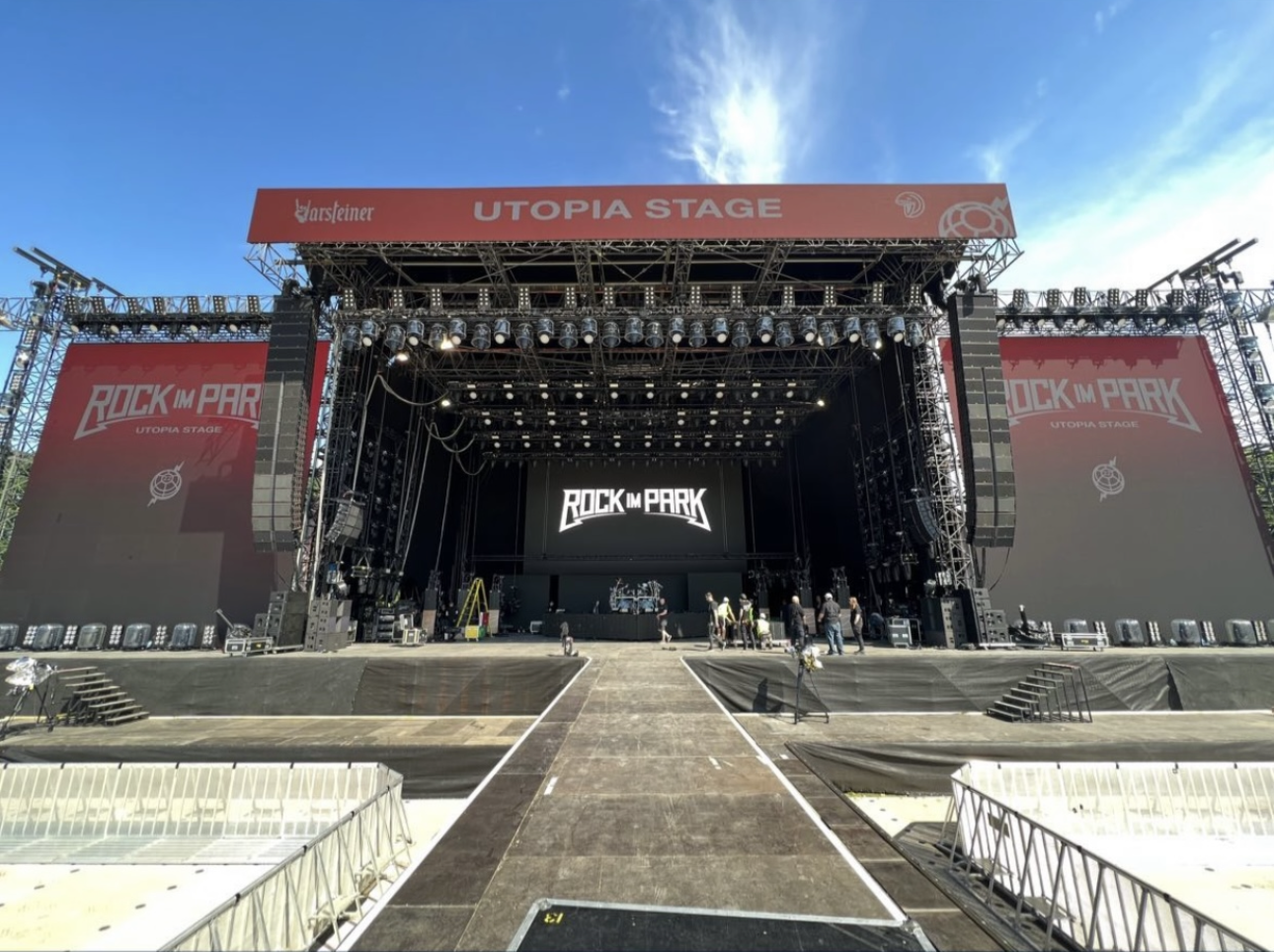
Apart from learning how to fill the gaps, the role of monitor tech specifically taught me that I like building “worlds” for engineers. I enjoy setting up consoles and racks and ensuring everyday that the gear I’m working with is as consistent and well-functioning as possible.
Next, I wanted to be a monitor engineer, so I started mixing monitors for support bands at local festivals while working for a production company. From there, I moved to be a monitor engineer at a club (a change in scenery induced by the pandemic).
Until that time, I thought I was going to enjoy mixing. In hindsight, that was based mainly on my external input of being surrounded by various engineers and techs who wanted to mix. However, after three months of mixing monitors, the “shiny new experience” wore off, and I missed tech work. While mixing is an important job and often shapes the sonic perception of a band, it isn’t for everyone, including me.
At this point, I began to ask myself what I wanted to pursue further in this industry. I learned more about other tech positions – RF coordination, systems engineering, and broadcasting.
Finding Your Role
Until this point in my career, I had only seen systems engineers work. Previously, when I’d fly PA, and engineers were taking a walk and listening to music, I’d walk the venues with them, listen to the system, ask questions, and very thankfully start gathering a vague idea of what a systems engineer did.
From there, I’d run mics any chance I got. By running mics, I mean moving measurement microphones into the position for the system engineer to take measurements. Running mics gave me a good idea of the engineers’ different processes. I still find it fascinating, and systems engineering is the area of work that continues to captivate me as I learn more and more about it. This level of interest helped me become passionate about systems and ultimately led me to understand what would become my job.
I still needed to learn what an NL4 cable was when I started, much less a measurement microphone. As my journey has progressed, I’ve adjusted my path to align with my interests and seeking mentors to help me learn more. The most critical part of the journey has undoubtedly been my mentors and trying to expose myself to all different areas of audio. Finding professionals who are passionate about their work and willing to teach single-handedly changed my career path.
At some point, I may change my mind again and see where I end up, but my passion for systems engineering is sticking with me. My main goal is to enjoy a job I love with colleagues I appreciate working around.
My takeaway from the past couple of years of entering the live audio industry has shown me that changing your mind is OK. I’ve met very few people in this industry who ended up exactly where they thought they would. It’s OK to be honest with yourself and to be OK with your goals changing.
To read more about my career journey, check out this blog post: https://samanthabooneaudio.com/playing-the-hand-youre-dealt-part-1-of-an-engineers-work-on-her-first-major-tour-2/